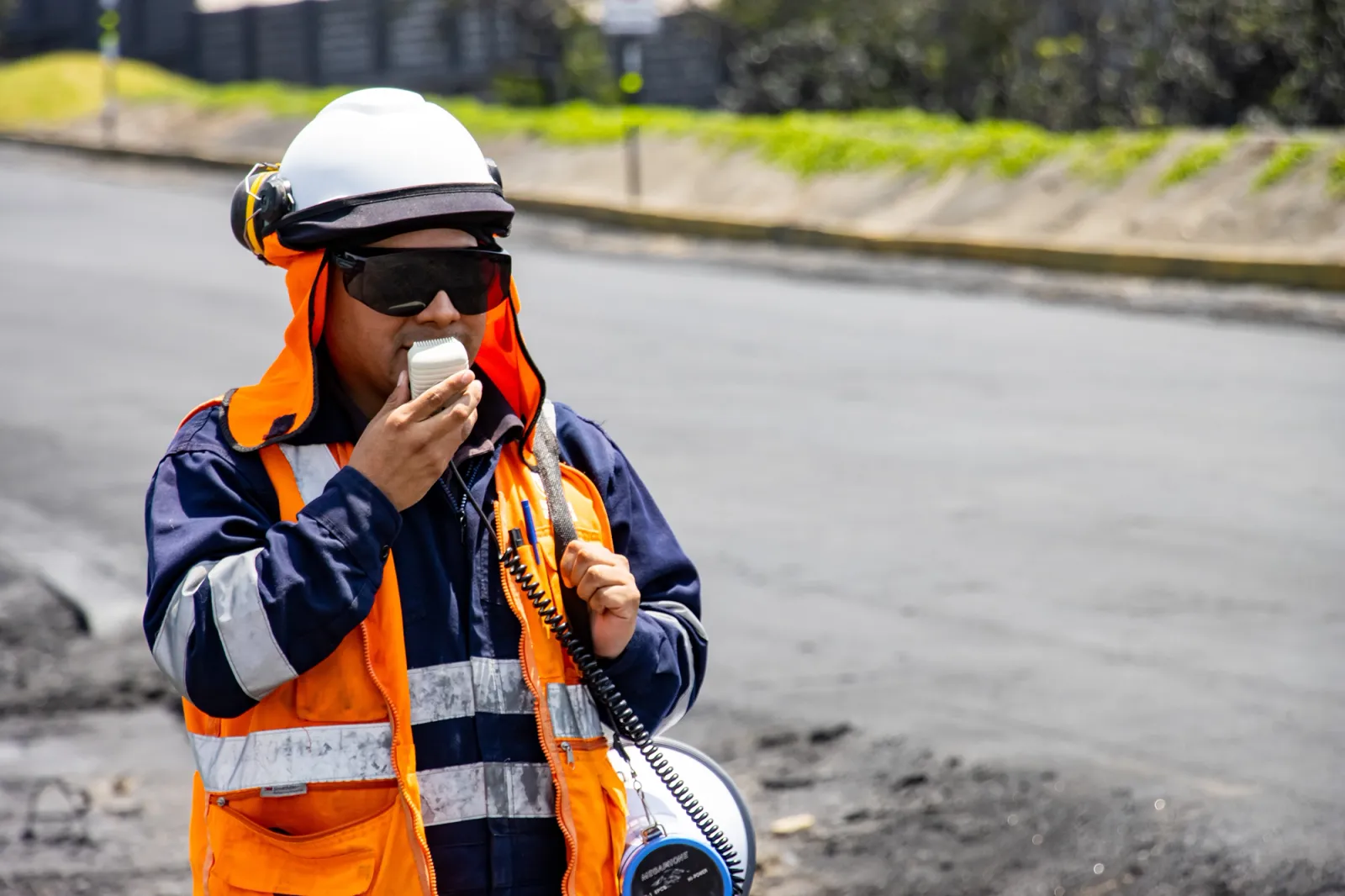
Participatory environmental monitoring: information and dialogue to build trust in Salaverry
At SESUVECA del Perú, we understand that environmental management requires technical assessment, follow-up and communication with the communities near our operation. Residents, institutions and authorities need clear information about the activities we carry out and the measures we take to manage their impacts.
What is participatory environmental monitoring?
With that purpose, we promote participatory environmental monitoring spaces, where people can see how environmental assessments are carried out, ask questions and hold a dialogue based on verifiable information.
Environmental monitoring assesses the condition of specific environmental components through measurements and analysis. Depending on the program, it may cover aspects such as air, water and soil quality or noise levels.
Its participatory nature involves community representatives in learning about and following the process, according to the scope of each session. This brings the technical assessment closer to those who live nearby and creates spaces to voice their concerns.
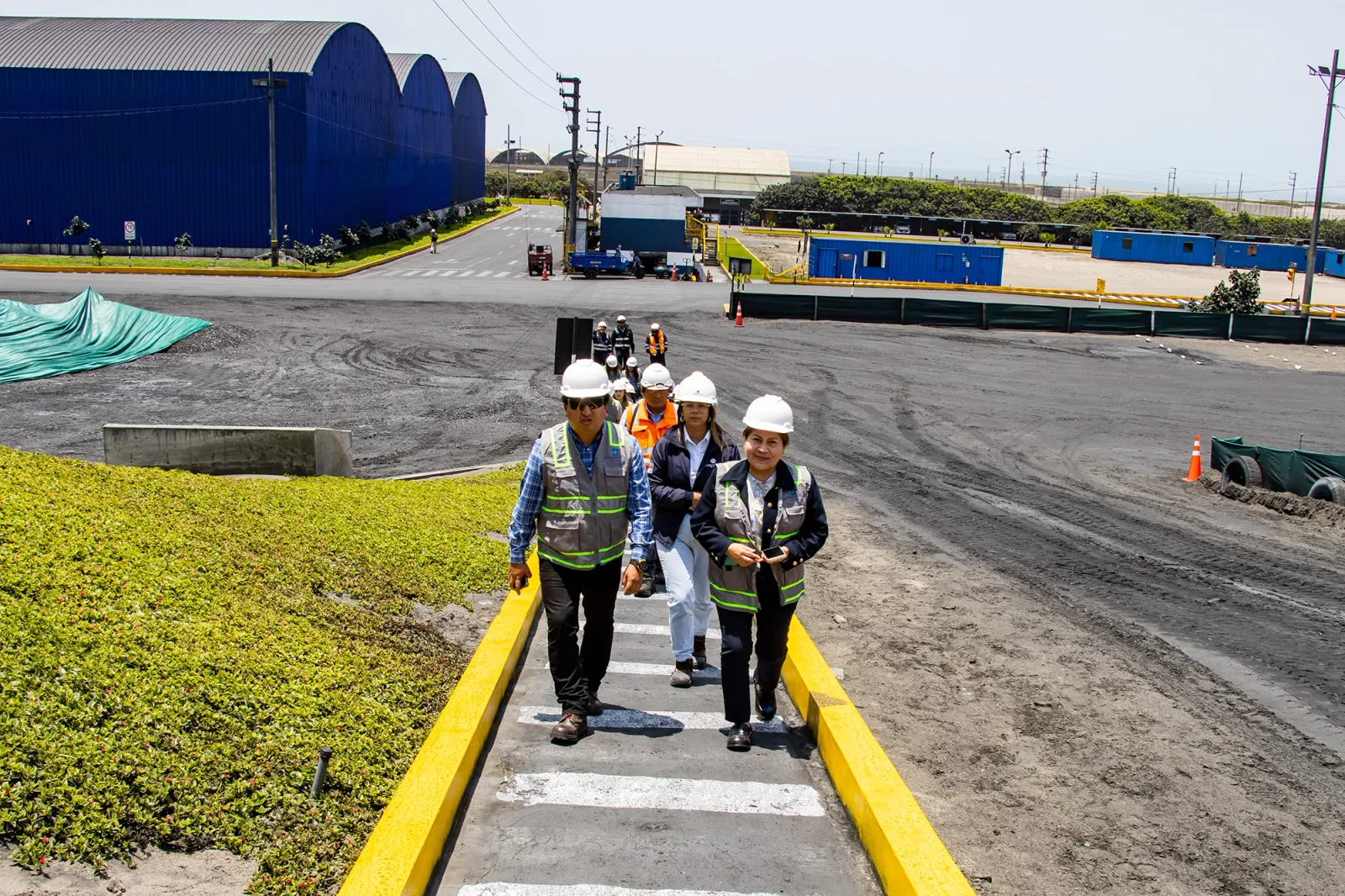
The plant visits that accompany these sessions also offer an opportunity to learn about the operating processes and environmental management measures. Learning about the operation and understanding the monitoring are complementary activities: conclusions about environmental conditions must be based on technical results and their scope.
Voluntary participation and openness to the community
In Salaverry, port, industrial and commercial activities coexist with families' daily lives. This makes it especially important to keep information and dialogue channels open with the population.
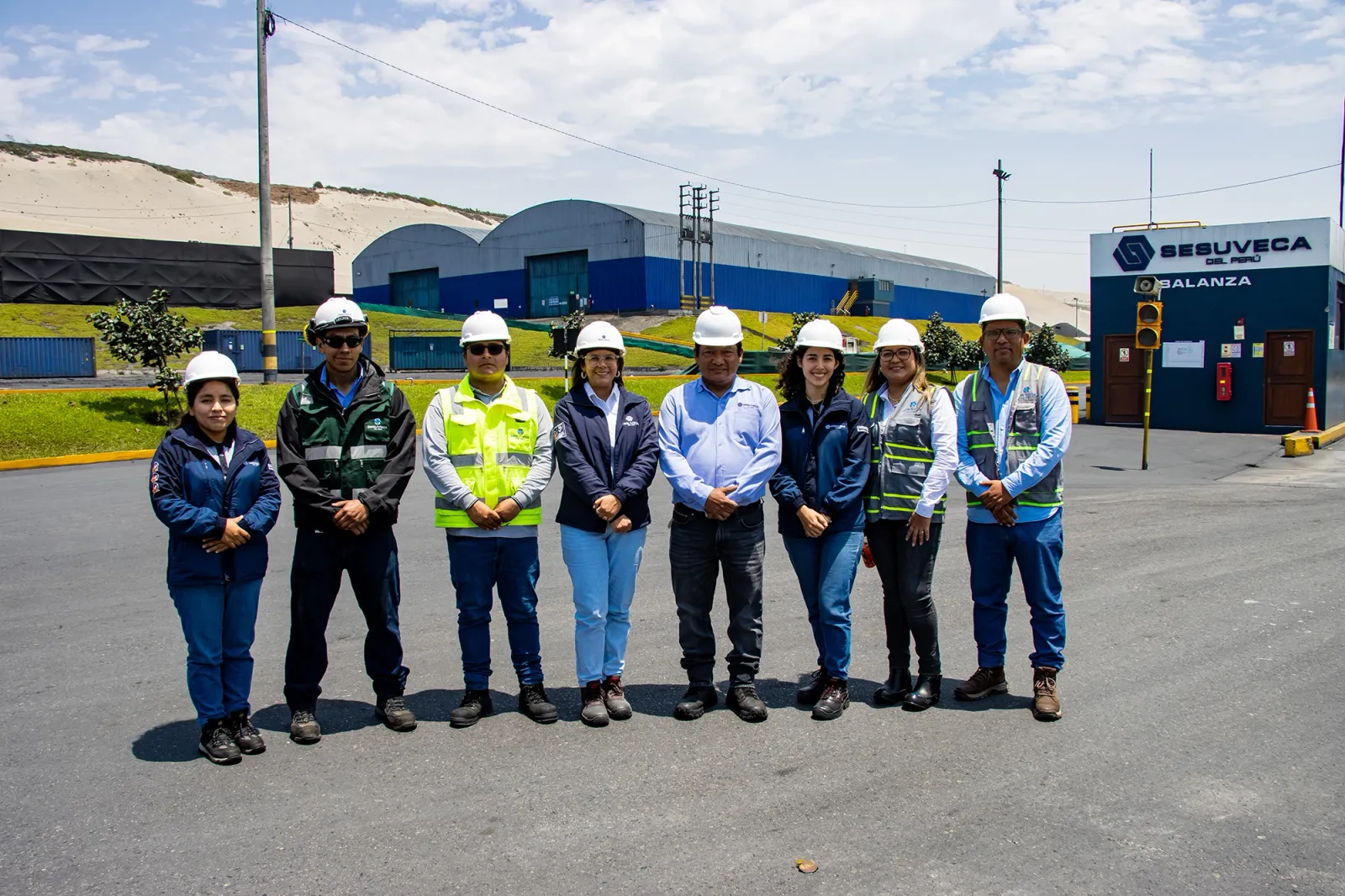
Beyond meeting the environmental monitoring obligations that apply to our operation, at SESUVECA we voluntarily add participation spaces for residents, institutions and authorities. This openness reflects our approach to transparency and good neighborliness: making assessments easier to understand, listening to concerns and fostering a close, informed relationship with the community.
Media outlets are also invited, to bring them closer to these processes. In sessions attended by a notary, their presence makes it possible to record the facts covered in the corresponding minutes; the environmental assessment and conclusions remain the responsibility of the technical experts.
The purpose of these meetings is to provide access to information, clarify doubts and hear different perspectives. The community's questions and concerns are part of the dialogue and deserve clear, well-founded answers.
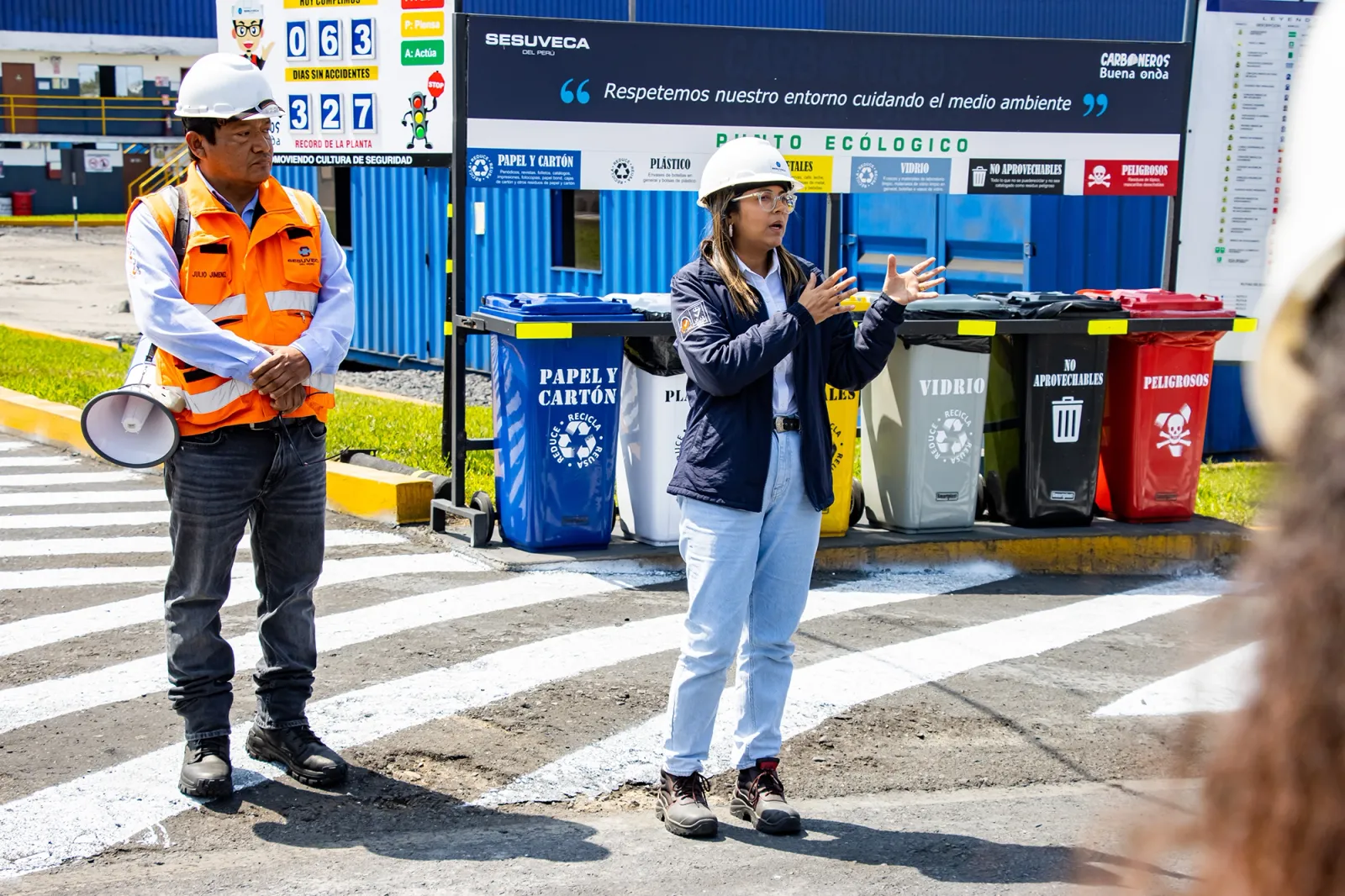
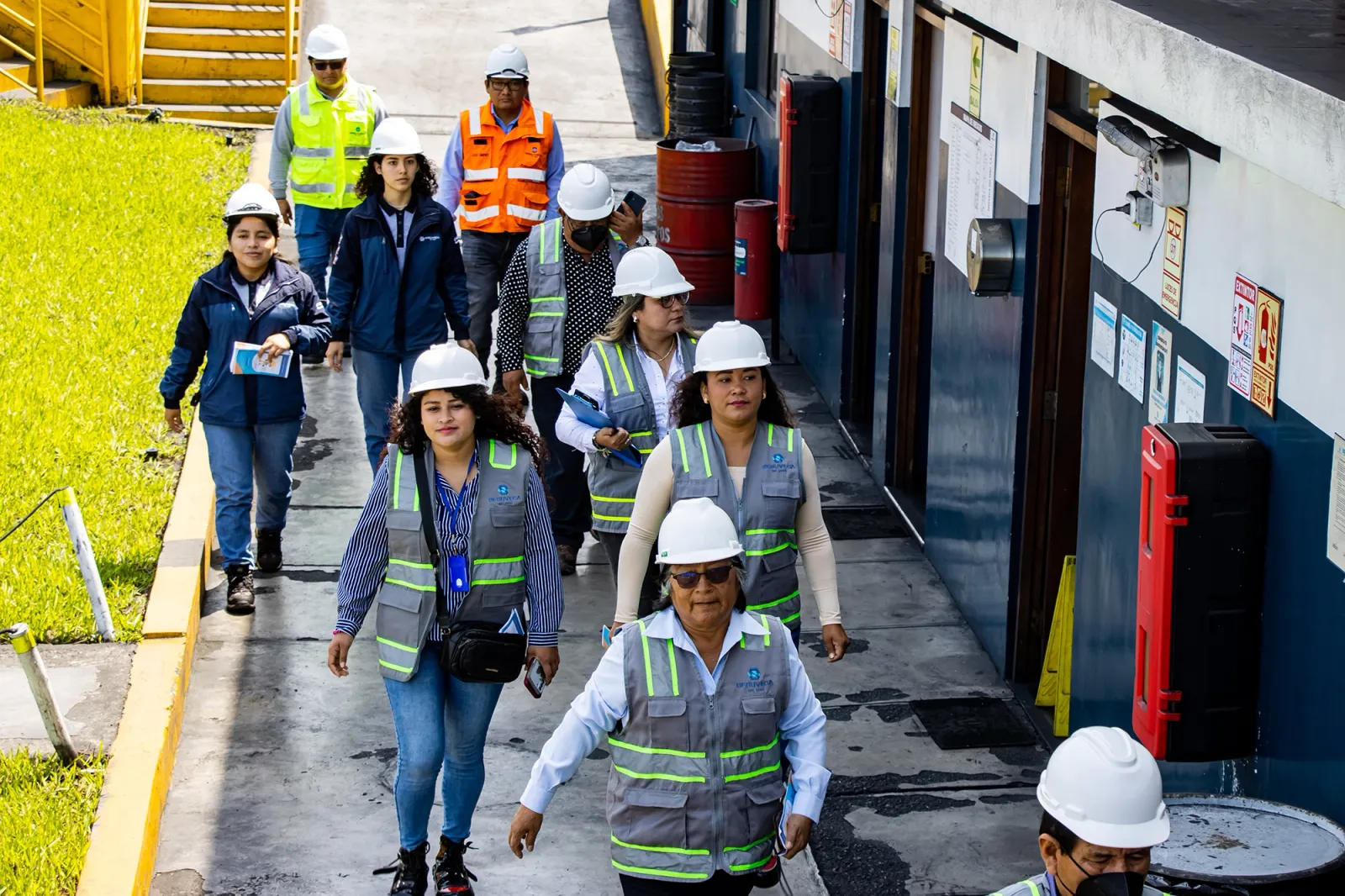
Clear information and results in context
For monitoring to help build trust, it is necessary to explain what is assessed, where, when, with what methodology and who the technical leads are. It is also important to state how the results will be made available and what follow-up applies.
Each assessment has a defined scope. Its results must be interpreted in light of the measurement points, dates, parameters analyzed and conditions recorded. Presenting that context helps people understand what the information shows and its limits.
At SESUVECA, we see transparency as a practice that requires making information easy to understand and keeping consultation channels open. Follow-up after each session is an essential part of that purpose.
Environmental management and ongoing dialogue
Monitoring provides information to guide environmental management and assess the aspects covered by the corresponding programs. It is complemented by prevention, control and improvement measures in the operation.
Community participation, in turn, helps us understand concerns and strengthen communication with our surroundings. The presence of residents or authorities at a session is an opportunity for participation and access to information, and does not imply a general approval of the company's environmental performance.
Both dimensions require continuity: technical follow-up of the results and attention to the questions that arise from the process.
Good neighbors with Salaverry
Our relationship with Salaverry is built every day with the people and institutions that share this territory. Being a good neighbor means listening, explaining our actions and following up on the matters that concern the community.
Participatory environmental monitoring is part of that effort. Its value lies in bringing verifiable information closer, encouraging informed participation and maintaining a dialogue that accompanies environmental management.
Building trust requires consistency between what we do, what we communicate and how we respond to our surroundings.